About Us
Our History
The Founding (1852–1867)
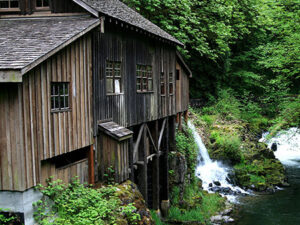
The city’s story began in the spring of 1852 when a small group of homesteaders arrived at the confluence of the local waterways. Attracted by the rich, glaciated topsoil and a dense grove of timber, they established a permanent settlement centered around a communal grain mill. By 1858, the first plat map was officially filed, organizing the growing community into a traditional grid of commercial lots and residential blocks designed to accommodate incoming farming families.
The Railroad Era and Growth (1868–1910)
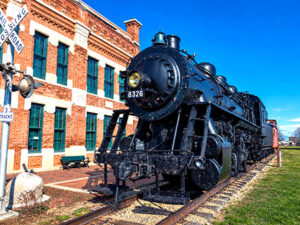
Growth accelerated dramatically in 1874 when the regional railroad laid tracks directly through the heart of the municipality. The connection transformed the quiet agricultural outpost into a vital shipping hub for grain, livestock, and lumber. Brick storefronts quickly replaced the original wooden structures along Main Street, and the city formalized its governance by chartering its first town council, establishing public school districts, and commissioning a volunteer fire department.
Modernization and Endurance (1911–Present)
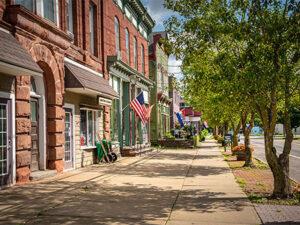
The turn of the century brought electrification, paved roads, and the transition from steam power to combustion engines, solidifying the city’s role as a cornerstone of the regional rural economy. While global industrial shifts and agricultural automation downsized the local workforce in the mid-20th century, the community retained its core identity. Today, the city stands as a resilient example of Midwestern heritage, balancing a commitment to preserving its historic architecture with forward-looking community services.